
Interview With Dr. Barry Lotz: Why The PGTAA Has Endured & Succeeded
- Details
- Category: Inside Golf
- Published: 2026-08-31
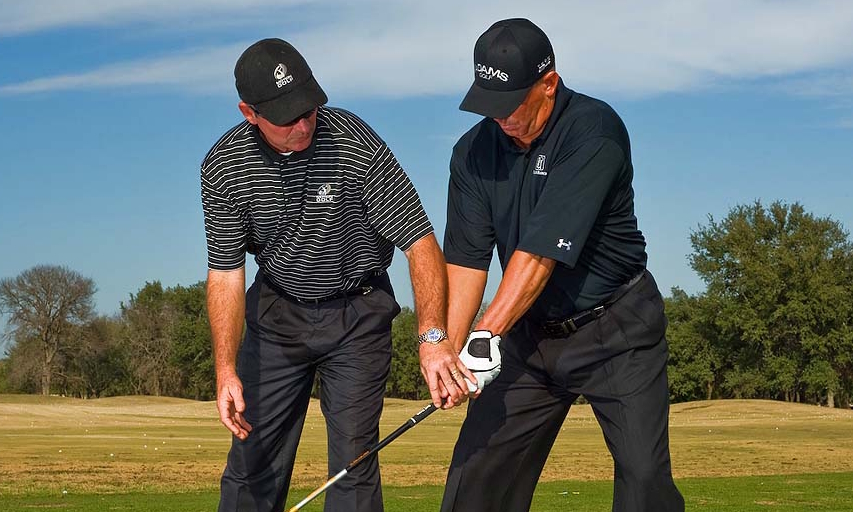
By Terry Ross, Golf Vacations Magazine
What led you to establish the Professional Golf Teachers Association of America?
The PGTAA was founded because I believed there was a real need for an organization devoted primarily to one thing: developing better golf teachers. There were many good golfers who wanted to teach, but playing well and teaching well are very different skills. A golfer may have natural talent, but a teacher must understand people, communicate clearly, recognize what a student truly needs, and create improvement without overwhelming that student.
From the beginning, our purpose was straightforward: to prepare qualified people to teach golf effectively, responsibly, and professionally.
What gap did you see in golf education at that time?
Many people who want to teach golf are given general advice that doesn't really help them. What they really need is straightforward, practical guidance on how to become a good golf teacher. They want to learn things like how to figure out what's going wrong with someone's swing, how to teach someone who's never played before, how to help someone improve their short game, and how to talk to students who are nervous or struggling. They also need to know how to plan a lesson and build a successful teaching business.
The PGTAA was set up to meet specific needs, not to try to be all things to all people. Its main goal is to focus on the art and science of teaching golf, and that's still what it's all about today.
The core values and mission of the PGTAA have remained the same since 1997: focusing on providing high-quality education and training to golf teaching professionals.
The main idea has always been the same: get to know the person, then focus on their golf swing.
When it comes to teaching golf, you can't just assume that every student is going to have the same swing or look the same on the course. The thing is, every golfer is unique. They've got their own body, athletic background, way of learning, and physical limitations. Some might have goals that are totally different from others, and their emotional connection to the game can vary widely too. As a teacher, your job isn't to try to mold each student into some kind of perfect, cookie-cutter golfer. Instead, you need to focus on helping each individual improve their game in their own way, not trying to force them into a rigid model that just might not work for them.
We've always thought that good teaching should be tailored to each person, hands-on, and supportive, focusing on what really makes a difference in helping students improve their golf game.
Why is being a good golfer not the same as being a good teacher?
A good golfer knows how he or she plays. A good teacher must understand how someone else learns. That requires patience, observation, communication, empathy, and the ability to simplify.
A teacher must know when to work on mechanics and when not to. He or she must be able to identify the difference between a physical problem, a misunderstanding, poor practice habits, fear, frustration, lack of confidence, or simply an unrealistic expectation.
Good teachers don't try to show off how much they know. Instead, they focus on helping their students understand what's important and give them a clear idea of what to do next. They make sure their students have a good grasp of the material and can see a way forward. This approach helps students feel more confident and in control of their learning.
Why has the PGTAA concentrated on teaching rather than taking a broader golf-industry approach?
Because specialization matters. Golf teaching is a profession in its own right. It deserves focused education.
A person who wants to become a golf teacher needs practical tools that can be used immediately on the lesson tee, putting green, short-game area, driving range, and golf course. They need to understand people, ball flight, swing fundamentals, putting, mental performance, equipment basics, practice planning, and how to earn a living as a teacher.
That's what the PGTAA has been focusing on for almost 30 years now.
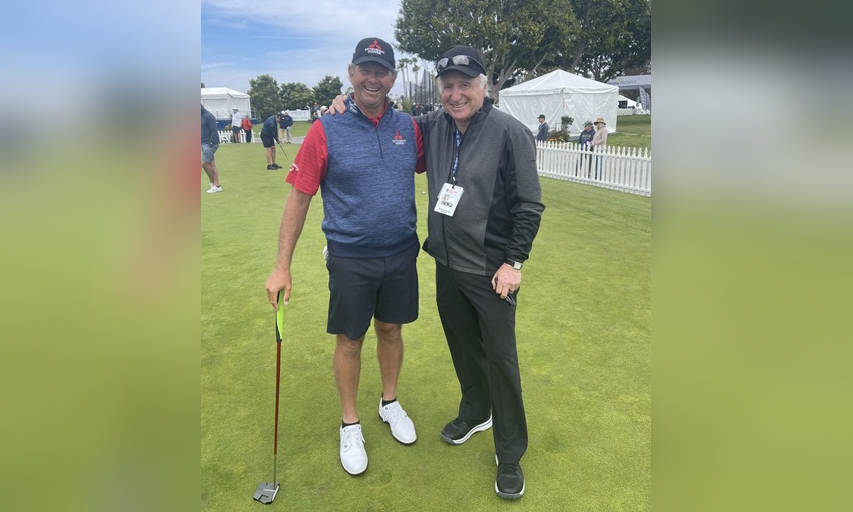
Dr. Barry Lotz with Retief Goosen (Photo Courtesy Of Dr. Barry Lotz)
How did your background influence the PGTAA curriculum?
My experience in golf, psychology, law, education, writing, and performance has given me a unique perspective on teaching. I've spent years working with golfers of all ages and skill levels, from those struggling with pressure and confidence to those dealing with putting issues, tournament nerves, frustration, and the mental challenges of the game. This diverse background has helped me understand how to approach instruction in a way that's both effective and engaging. Whether it’s helping golfers overcome obstacles or improve their overall performance, my goal is to provide guidance that's tailored to each individual's needs. By combining my knowledge of psychology, education, and performance, I aim to create a supportive and informative learning environment that helps golfers achieve their full potential.
Those experiences reinforced one essential truth: Golfers do not improve because they receive more information. They improve when they receive the right information, at the right time, in a form they can understand and apply. That is the philosophy behind our curriculum. We want teachers to become capable problem-solvers, not merely repeaters of golf terminology.
What have your real-world experiences taught you that a textbook cannot?
A textbook can provide knowledge, but it cannot fully teach a person how to read another human being.
A teacher needs to be able to tell when a student is struggling, even if they say they're fine. Sometimes, a student might say "I get it," but their actions and behavior can show that they're actually really confused or feeling overwhelmed. That's why it's a good idea for teachers to ask students to show or explain what they think they've learned. This way, the teacher can get a better sense of what's really going on and help the student if they need it. By doing this, teachers can make sure their students really understand the material, and not just pretending to. It's all about paying attention to the little things, like how a student is acting or performing, and using that information to help them learn better.
Teaching isn't finished just because the teacher has explained something. It's only complete when the student can really understand it, feel comfortable with it, practice it, and actually use it in real life, like on the golf course.
What do you consider your most important contribution to golf teaching?
I hope it has been helping teachers appreciate that golf instruction is about more than changing a swing. It is about helping a person become a more confident, capable, and informed golfer.
A good teacher thinks about the whole student, not just one part. They consider things like how the student swings a club, their short game, putting, physical strength, mental toughness, how they navigate the course, how they practice, and what they want to achieve. When teachers look at the big picture, they can help their students in a much better way.
How has psychology shaped the PGTAA teaching approach?
Golf isn't just a physical game; it's also a mental one. Even if you have the right technique, you can still struggle with your game if you're held back by things like fear, uncertainty, or being too hard on yourself. If you're tense or don't trust your abilities, it can really affect your performance.
For that reason, a PGTAA teacher must understand communication and confidence. The teacher must know how to encourage without misleading, correct without humiliating, and challenge without overwhelming.
Students often remember how a teacher made them feel long after they forget a particular swing drill. A teacher who creates clarity and confidence is likely to create a better learner.
What does “understand people first and golf swings second” mean during an actual lesson?
It means the teacher begins by learning about the student. What are the student’s goals? Is he or she a beginner, a competitive player, a senior golfer, a junior, or someone returning from injury? What physical restrictions are present? How does that person learn best: seeing, hearing, feeling, or doing?
So, the teacher must figure out what's going on before they can decide what to do next. It's like when two golfers hit the ball in the same way, but for different reasons. One golfer might need to change their swing, while the other might just need to stand a little differently, use a different club, or imagine the shot more clearly. Maybe they're just too tense and need to relax.
The teacher needs to understand what's really going on before they can help the student improve. Their responsibility is to identify the individual before prescribing the solution.
Why is there no single perfect golf swing?
There are sound principles in golf, particularly at impact, but there is no one perfect swing that fits every human being. Golfers vary in height, strength, flexibility, athletic ability, anatomy, age, injury history, and goals.
A good golf swing is one that helps you hit the ball consistently, makes the ball fly in a way you can predict, and improves your score, all while working with your own strengths and weaknesses.
A good golf teacher doesn't try to make every student copy a pro's swing. Instead, they work with the students they have, helping them improve their own unique swing. This approach is more realistic and can be more helpful in the long run. By focusing on the individual student's needs and abilities, a good teacher can help them develop a swing that works for them, rather than trying to force them into a mold that doesn't fit.
What role do short game and putting play in the PGTAA model?
They are really important. A lot of golfers focus too much on perfecting their full swing and not enough on the things that can help them score better faster.
Better pitching, chipping, bunker play, distance control, green reading, and putting confidence can transform a golfer’s scoring without requiring a major full-swing change. The PGTAA teaches instructors to look beyond the driving range and help students become better players of the game.
A good teacher should know that golf is not just about hitting the ball as hard as you can. It's about getting the best score possible.
How do you prepare candidates to explain technical matters to beginners?
We think it's best to use simple words. If a teacher can't explain something in a way that's easy to understand, they might not really get it themselves.
Golf can be really confusing with all its technical terms. But a good teacher knows how to balance using those terms and making things simple. Sometimes, a simple picture or demonstration is all you need to understand something. Or maybe just one clear idea can make all the difference. A good teacher doesn't overcomplicate things; they just use what works best to help their students learn.
The goal is never to show the student how much the instructor knows but to help the students improve.
How does the PGTAA ensure that candidates can teach rather than merely pass an examination?
The written test is just one piece of the puzzle. What's more important is how well candidates can actually explain things in a way that makes sense, using real-life examples and practicing exercises to drive the point home. We also want to see that they can communicate effectively with students, so it's not just about book smarts but about being able to connect with people too.
We want answers written as though the candidate is explaining the subject to a beginning golfer. One-word answers and memorized terminology do not create a teacher. Understanding, clarity, and practical application do.
What are the most important qualities you look for in a prospective PGTAA teacher?
A prospective teacher should have a genuine interest in helping people, a sound respect for the game, patience, integrity, and a willingness to continue learning.
A teacher does not need to have been a touring professional, but he or she must be capable, credible, committed, and prepared to put the student’s progress ahead of the teacher’s ego.
The most successful teachers are often those who listen well, observe carefully, communicate simply, and care deeply about their students.
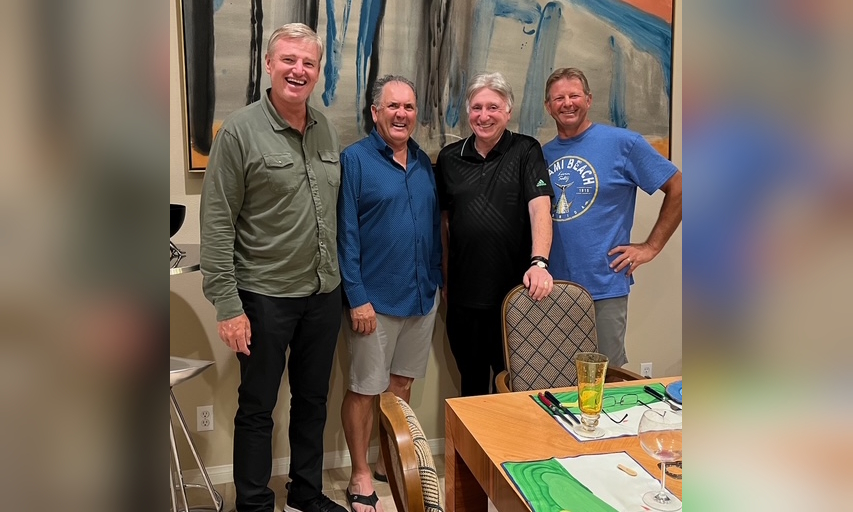
Ernie Els, David Frost, Dr. Barry Lotz & Retief Goosen At A Dinner At Barry’s House During A Tournament. (Photo Courtesy Of Dr. Barry Lotz)
What evidence do you see of the PGTAA’s success?
The PGTAA’s success is reflected in its longevity, its graduates, and the number of people who have used their certification to begin or advance teaching careers. Since 1997, the organization has served a broad membership of golf teachers in the United States and internationally.
It's not just about the numbers, though. You also have to think about the teacher who gets a beginner excited about the game for the first time. Or the instructor who builds a successful lesson business. Then there's the coach who helps a junior player feel more confident. And let's not forget the teacher who helps an experienced golfer find their love for the game again after they've gotten frustrated or hurt. These are all ways that teachers can measure their success, and they're just as important as any numbers or statistics. Those are meaningful outcomes.
What do graduates gain from PGTAA certification?
They gain a teaching-focused educational foundation, professional recognition, practical lesson tools, and access to an organization built around golf instruction.
We want to help teachers keep learning and growing throughout their careers, so we offer ongoing education, special benefits for members, and expert advice to support them. Getting certified is just the start; it's a promise to keep learning and getting better at what they do.
What is required to earn the Class “A” PGTAA Master Teaching Professional designation?
To become a part of the PGTAA, candidates need to show they can play golf well and have the right education. They must pass a written test and a playing ability test to prove they know what they're doing. This process helps make sure the candidate really knows golf and can teach it to others. It's not just about playing golf, but also about understanding how to share that knowledge with students. The goal is to have teachers who are not only good at golf, but also good at explaining it to others.
We want to be upfront about what's needed because having a professional title should count for something. So if you're thinking of joining a program, make sure you check out the latest requirements, costs, and what's expected of you before you sign up.
Why is transparency important to the PGTAA?
Building trust starts with being clear about things. When people know what to expect, they feel more comfortable. This means they should understand what they're getting, what's expected of them, how much it will cost, and what they'll get out of it in the end.
We've always thought that people who are applying should get straight answers. The PGTAA is a program you can study at home, and it comes with a lot of material, clear rules for the exams, standards for how well you can play, and requirements for being a member. We don't like to confuse people with secrets or promises that aren't clear.
A professional organization earns trust over time by saying what it does and doing what it says.
How has golf instruction changed since 1997?
The availability of technology has changed dramatically. Today’s teachers may use video, launch monitors, putting analysis, pressure mats, club-fitting data, GPS information, shot-tracking systems, and AI-supported tools. This technology is really useful. It helps teachers see things more clearly, measure things more accurately, and keep track of progress over time.
But we have to remember, it's just a tool; it's not a replacement for the teacher. The teacher is still the one in charge, and the technology is just there to help them do their job better. Technology can provide information. The experienced instructor must decide which information matters, explain it in a useful way, and turn it into a practical improvement plan for the golfer.
How should teachers use technology responsibly?
Teachers should use technology to become more precise, not more complicated. A launch monitor may show ball speed, launch, spin, and club delivery. Video may reveal movement patterns. A putting system may show face angle, path, and impact tendencies. But none of those tools can replace the teacher’s judgment or relationship with the student.
The important question is always: “What does this information mean for this golfer, and what is the simplest productive next step?”
What do modern golfers expect from instructors?
Today’s golfers are often more informed, more technology-aware, and more accustomed to immediate feedback. They may arrive at a lesson having watched videos, studied equipment, used an app, or received advice from artificial intelligence.
This makes the teacher's job even more crucial. Students really need someone who can help them figure out what's important and what's not, make the lesson fit their needs, and give them a clear idea of what they're supposed to be doing. The modern instructor must be comfortable with technology while still understanding that trust, observation, communication, and experience remain the heart of teaching.
How is the PGTAA preparing instructors for the future?
Our teaching program covers everything you need to know about teaching golf, including how to swing a club, how the ball flies through the air, playing shots from close to the hole, putting, how to stay focused and play well under pressure, choosing the right equipment, planning practice sessions, talking to students, building a business, and using the latest teaching methods and tools.
We want our PGTAA teachers to be ready for more than just teaching a lesson. They should be able to build a strong career and work with all kinds of students. This means they need to be prepared to handle different situations and help students with varying needs. By doing so, they can provide the best possible education and make a positive impact on their students' lives.
Golf will continue to evolve. The fundamental need for a knowledgeable, ethical, patient, and effective teacher will not.
What would you say to someone considering a career as a golf teacher?
Teaching golf can be a really fulfilling job, especially if you're passionate about helping others improve their game.
You will work with beginners, competitive golfers, juniors, seniors, returning players, and people who simply want to enjoy the game more. You will see frustration, breakthroughs, confidence, disappointment, and joy. If you approach the profession with humility, integrity, curiosity, and a commitment to keep learning, you can make a real difference in people’s lives. That's what the PGTAA is all about.
What do you want the PGTAA’s legacy to be?
I would like the PGTAA to be remembered as an organization that helped elevate golf teaching by preparing instructors who were knowledgeable, practical, ethical, and genuinely concerned about their students.
For almost 30 years, we've been saying the same thing: Good teaching makes golfers better, helps them have more fun, and keeps the game strong for years to come.
If our graduates keep sharing that message, then the PGTAA will have done what it set out to do and stay in the lead as the authority on golf teaching.
About the Writer
Terry Ross has covered sports as both a print and radio journalist for more than 45 years and is Associate Editor of Golf Vacations Magazine. He has also served as a consultant to the golf industry in a variety of capacities, including PGA Tour events, and has been a regular columnist for the Long Beach Business Journal. He is based in Orange County, California.